Imagine if you will, a reporter or editor being interviewed by us. That’s right, we interview them. Why? Because too often in our business it’s tough to find time, foster a relationship, and say thank you for all you do to keep the public informed and entertained.
We figured a page in our monthly newsletter would be a good way to do just that – and keep our readers up to speed on what’s happening in media.
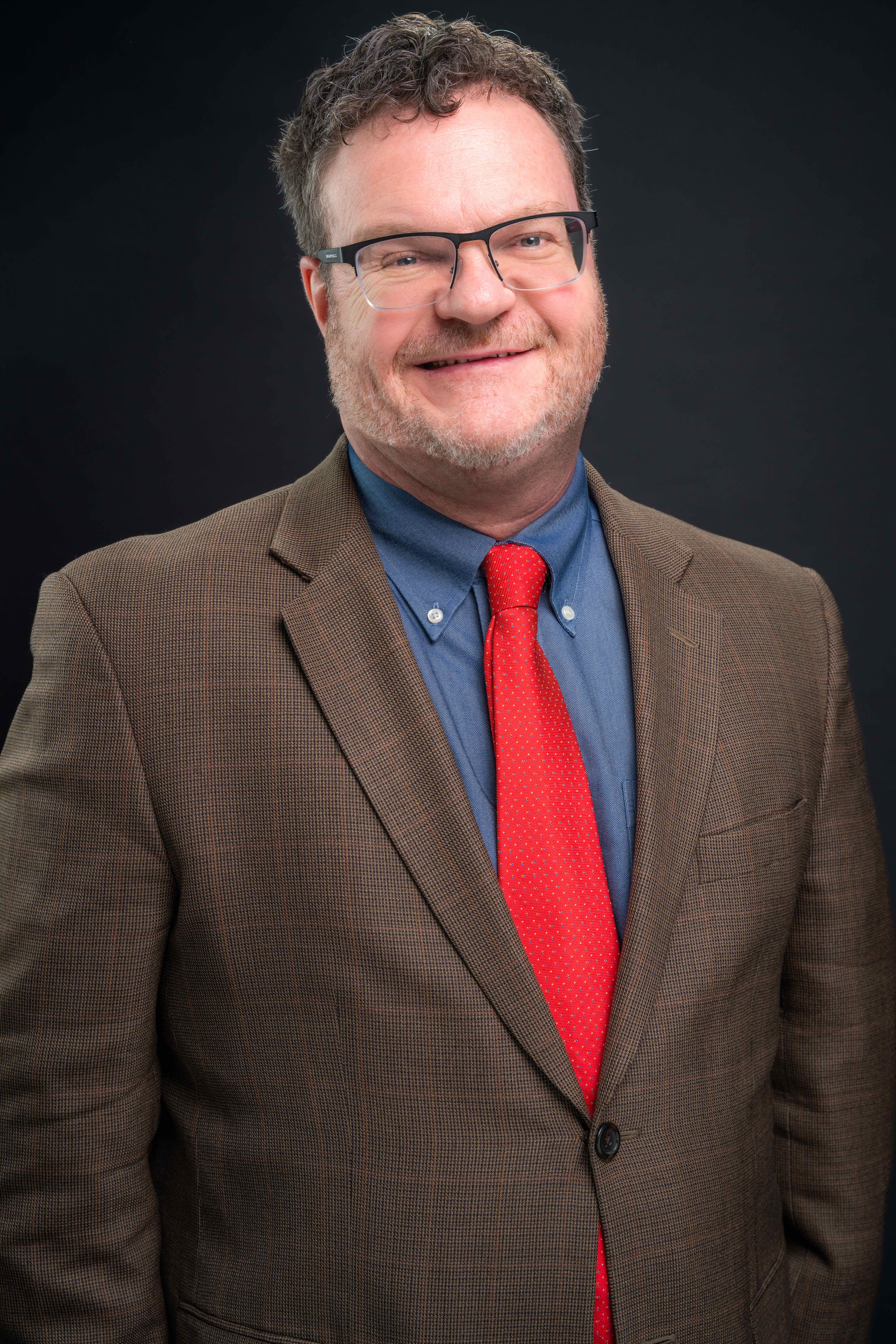
Ed Sealover, Vice President of Strategic Initiatives & Editor at the Colorado Chamber of Commerce
Huge thanks to Ed for sharing his insights, helping us continue this series. From his work in journalism to his roles at the Colorado Chamber and The Sum & Substance, Ed gives us a behind-the-scenes look at the stories, values, and passions that drive him.
In your current occupation, you wear two hats – please tell us a bit more about each of them – your role as the editor of The Sum and Substance news site, and your role within the Colorado Chamber of Commerce
My official title with the Colorado Chamber of Commerce is ‘Vice President of Strategic Initiatives and Editor.’ The strategic initiatives I work on involve projects that seek to proactively improve the business environment in the state, including a multi-year effort I’ve been leading to boost Colorado’s workforce-development system via a partnership between employers, educators and the state. The Sum & Substance, meanwhile, is a news site that we launched when I started at the Chamber in February 2023 to focus on business policy and to inform employers of things coming out of the state Capitol that can impact their ability to operate. Though I work for a interest group, I make a special effort to tell the stories from both sides, as I did during my 28 years with newspapers, because the goal of the site is to get people talking about the business impacts of government decisions and to elevate the conversations in the community and with policy makers around those topics. In that latter role, I’m also excited that we launched a podcast, Colorado Chamber Office Hours, in January to boost these business policy discussions through a new medium.
Share with us some of your history and what led you to this point in your career.your days look like, and where do you focus your attention?
I graduated from Northwestern University in 1995 and wrote for daily newspapers in Arkansas and South Carolina before moving to Colorado in late 2000 to work for the Colorado Springs Gazette. I spent 7-1/2 years there, followed by eight months at the Rocky Mountain News before it closed, and I then worked for the Denver Business Journal for 14 years, being honored as SPJ’s Colorado Journalist of the Year for the work I did in 2020. After pouring everything I had into trying to help the business community through my writing during the pandemic, I began to think about how I could take an even more active role in the community. That led me to the Colorado Chamber, where I still get to write — and to do so about my favorite topic to cover, business policy — but yet also can be more involved in doing things such as boosting workforce training and education. I feel like I have the best of both worlds in this job in that respect.
Which story are you most proud of, and what impact did it have?
I’ll assume for the sake of this q-and-a that you specifically are asking about stories that I’ve written for my current publication. And in that case, I’ll point to a story I was able to break in March (https://tsscolorado.com/unions-introduce-ballot-measure-to-require-employers-prove-just-cause-to-fire-workers/) about a coalition of unions filing a ballot initiative to require that employers offer “just cause” if they are terminating an employee — a potential major shift in employee rights that’s unprecedented nationwide. I’ve broken numerous stories about ballot measures or bills throughout my career, but the reason I was so proud of this story is because I felt it showed how far The Sum & Substance had advanced in the two years since I’d launched it. Specifically, I was able to work with the Colorado AFL-CIO to report the story, even during a time when the union was going toe-to-toe with the Colorado Chamber over proposed legislative changes to the Colorado Labor Peace Act, because the organization’s leader had seen the effort I’d put into covering news in-depth and fairly and was willing to talk to a business-operated news site about it. It may seem like a small thing to some people, but my goal from the time the Chamber launched this website was to be taken seriously as a news site that would tell both sides of the story, even if I was quoting my boss or co-workers as being very much for or against a proposal that I’m covering. That’s a reason that I believe we’ve been able to craft a content-sharing partnership with the Denver Gazette and Colorado Politics in which the publications will pick up some of my stories — and that I’m able to get sources from across the political spectrum to answer me when I approach them for interviews.
Has a story ever changed your own perspective on an issue?
I don’t know that I can point to one story in doing this, but I think that the more you cover an issue, the more you understand the nuances of that issue and the more you come to realize that there are very few issues that are just black and white. Sometimes the nuances are very legal but important to understand — something I got from doing a lot of work on Colorado water law in the early 2000s. Sometimes they help you to realize how so many different parts of an ecosystem must work together to achieve societal success, which is what I took from the nine years that I covered health care for the DBJ. And maybe if there’s one overriding perspective I’ve taken from my decades of covering stories, it’s that people can succeed best when they are governed and restricted the least and have true freedom in how to live their lives and in how to run their businesses (which for many entrepreneurs is the sum of their lives’ works). This belief is one that that I came away with particularly seeing so many individuals and companies struggle under burdensome restrictions during the pandemic.
What values do you live by?
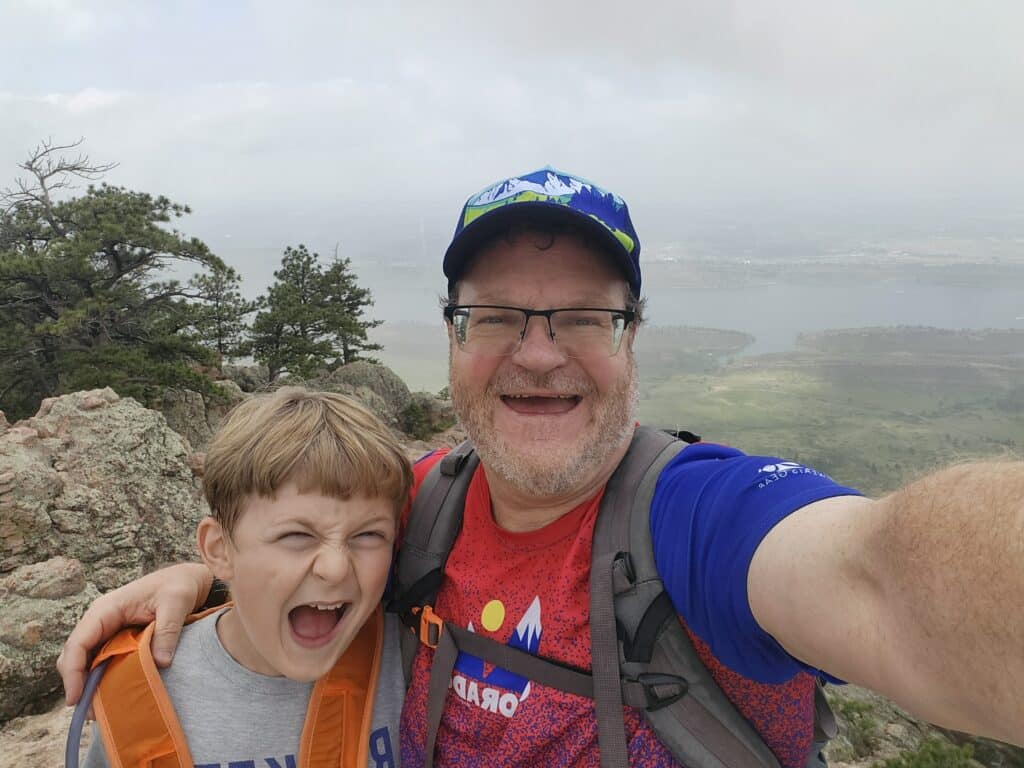
My family — my wife, our two kids and I — have a motto: “We learn. We teach. We grow better together.” I first of all strive to be a lifelong learner, never assuming that I know everything or even most things about a subject and, thus, approaching every story I write with an open mind and curiosity about why people feel one way or another, as well as what exactly the focus of that story can mean for society as a whole. In a related sense, I believe you need to explore the world around you to truly get the most out of life, and I travel with my wife and kids and get them to try new experiences at every chance we have. (Right now, we are on a quest to visit every Colorado state park, which follows our having already visited every park in out hometown of Wheat Ridge and every open space in Jefferson County). And I believe that we are all given talents and abilities from God that we must use to improve our society, which drives me not only to try to help others but has caused me to jump into roles that I never thought I would take on (like coaching my son’s soccer team) and to love them.
What are some of your favorite hobbies – tell us a short story (fishing one that got away, biking on a mountaintop, etc.)
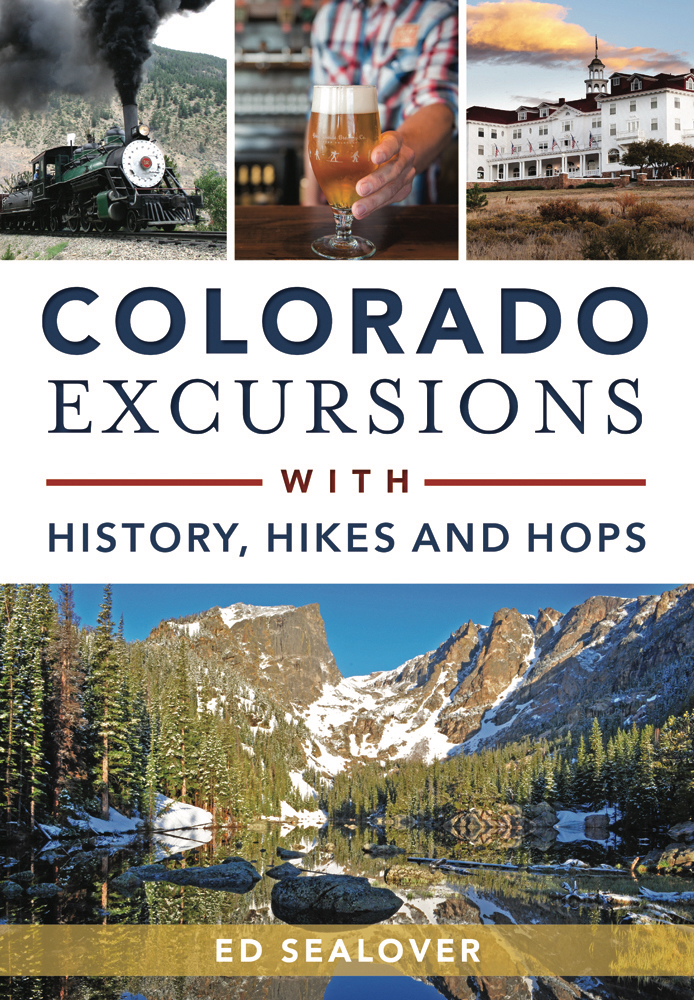
“Travel and exploration” is probably my big-picture favorite hobby, and that’s led me to do things ranging from jumping on the first-ever flight from Denver to Costa Rica with friends back when it launched in 2006 to snorkeling the Great Barrier Reef with my wife because we simply had to do it. I’m a lifelong soccer fanatic, and I am proud to say that I was able to serve as a ball boy for one match in the 1984 Olympics because my team played in a Junior Olympic tournament. I love hiking, history and craft beer — and I wrote a 2016 book (my second book) called “Colorado Excursions with History, Hikes and Hops” that lays out 30 days worth of travel around the state with each day featuring one natural site, one historic site and one drinking site. And in terms of really unique hobbies, I’ve collected shot glasses since my sophomore year of college and now have about 925 of them, documenting places that I’ve been, places that my friends have been and thought of me and recording every odd thing that fit onto the outside of a 1-to-2-ounce glass (including my personal favorite depicting the battle of Fort Sumter with drawings of the commanders and listings of casualties).
What else would you like to share with us?
When I got into journalism, I thought of it very narrowly as an art that was practiced by people working at daily newspapers, certain magazines and a few TV programs. More than three decades in the profession have given me a whole new outlook, however. Particularly in the Denver area, there is good journalism coming from daily papers, weekly papers, TV stations, radio stations, general websites and very issue-specific websites. And while I miss the days of having general newspapers cover an astounding range of topics with expertise, I think this move toward having more subject-focused news outlets also has been good, as it’s allowed people to really dive into areas from business policy to education to the food scene and contribute more thoroughly from those perspectives. I subscribe to “way too many” publications (in the opinion of some people that I know), but I encourage people to lean toward going overboard in that sense rather than to limiting what they read. The more news outlets you consume, the more perspectives you will get and the better educated on any given subject you will become — and, importantly, be better positioned to make up your own mind on issues rather than having someone dictate opinions to you. I encourage people to read as many outlets as they can and remember that the collective knowledge that the news industry produces is what will shape not only key decisions today but the history books that our grandchildren will read in the future.
“I first of all strive to be a lifelong learner, never assuming that I know everything or even most things about a subject and, thus, approaching every story I write with an open mind and curiosity…”